Final Project Web Post
May 23, 2016

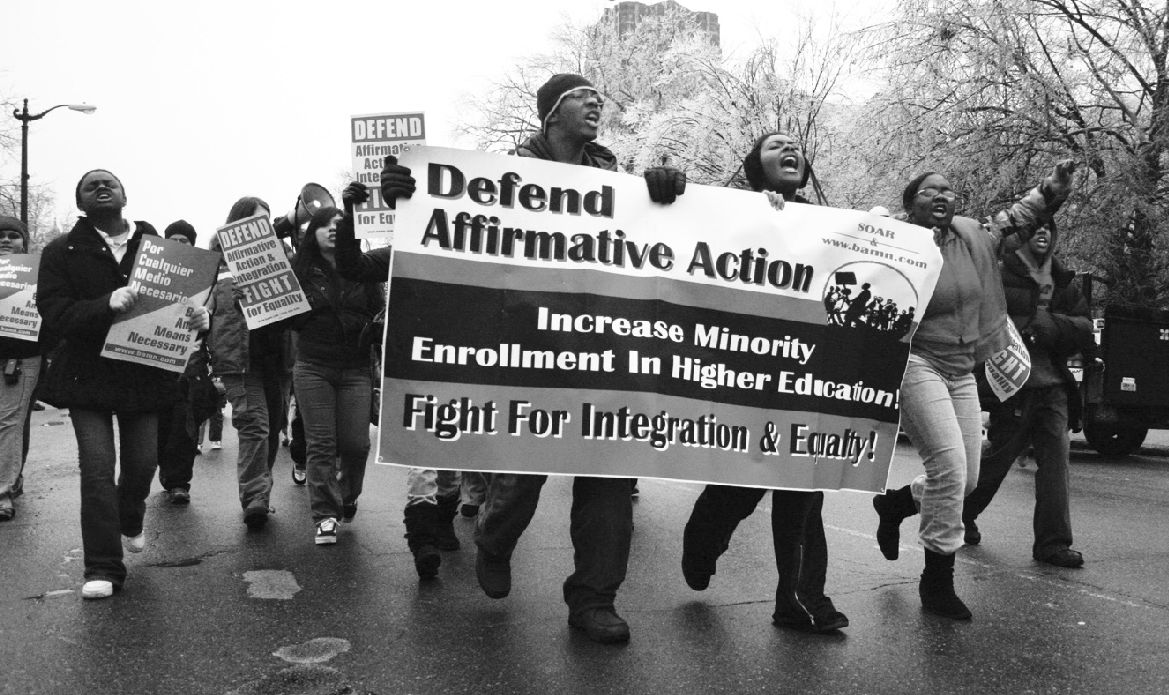 Affirmative Action is the practice of improving the educational and job opportunities of members of groups that have not been treated fairly in the past because of their race, sex, etc. Affirmative action programs have been and can potentially continue to be very beneficial to the society and structure of the United States. Affirmative action programs can be seen in many different places such as the professional business world, college applications, and employment. While Affirmative Action programs have helped benefit those certain things like college applications and acceptance and employment, there are many different places that affirmative action is still required. In the realm of pay, women are payed 77 cents to every white males dollar. Also, in regards to governmental contracting, women owned companies are only given around 2.9% of possible contracts (2002). Still, there are many places where Affirmative Action programs have worked. The amount of women in the professional workforce has increased by massive amounts, and minority acceptance into elite colleges has dramatically increased as well. While the benefits of affirmative action may seem very promising and good for society, there are mixed reviews on the idea of Affirmative Action. Many people are against the idea of Affirmative Action. From ideas ranging from reverse discrimination to affirmative action programs leading to reverse discrimination on groups such as the whites and Asians, the disagreement with the established programs is still there. Some of these views may be justified with the the inequality of application weight that makes certain lower scores look better because of ones race. Affirmative action has and potentially will continue to promote and create racial equality and fairness in the United States of America.
For more information look at the resources provided down below.
Sources:
Merriam Webster Online Dictionary
Wikipedia
Civil Rights Organization